High blood pressure can be a common issue for millions of people. It’s caused when there is too much pressure in the arteries from the blood. This can lead to increased risks of developing heart disease, stroke, and kidney issues.
Many people want to know how they can lower their blood pressure naturally.
Many people want to know how to lower blood pressure naturally without making major changes to their daily routines.
Some people will also need to take medication.
In this article we’ll explain 10 effective ways to help lower your blood pressure, what foods should be eaten, what bad habits to avoid and when to seek medical help.
What Is High Blood Pressure?
High blood pressure (also known as hypertension) is when your blood pressure is above a healthy level.
Blood pressure can be measured in two parts:
- Systolic Pressure—This is the top number and describes the pressure exerted on your blood vessels when your heart is beating.
- Diastolic Pressure—This is the bottom number and describes the amount of pressure on your blood vessels when your heart is resting.
Blood Pressure Chart
| Category | Systolic | Diastolic |
|---|---|---|
| Normal | <120 | <80 |
| Elevated | 120-129 | <80 |
| Stage 1 Hypertension | 130-139 | 80-89 |
| Stage 2 Hypertension | ≥140 | ≥90 |
| Severely Elevated | >180 | And/or >120 |
These categories are commonly used in the USA. These categories are based on either value. In different countries the cutoff points may vary.
10 Effective Ways to Lower Blood Pressure Naturally
Making lifestyle changes to eat healthier can help to lower your blood pressure and ensure your heart remains as healthy in the long term.
1. Cut Down on Salt
This is one of the most effective ways to lower your blood pressure naturally.
Consuming too much sodium can cause your blood pressure to rise, especially if you are salt sensitive.
Try to eat less processed foods, ready meals, salty sauces and fast food.
Stick to eating more fresh foods, and use herbs and spices to flavour your food instead of adding salt.
Many adults will benefit from eating less than 2300mg of sodium a day. Aim for less than 1500mg for many people.
2. Exercise Regularly
Being physically active can help strengthen your heart and improve your blood flow.
Over time, this can help to lower your blood pressure.
Some great forms of exercise include:
- Walking
- Cycling
- Swimming
- Dancing
- Light jogging
Aim for at least 150 minutes of moderate intensity activity per week. If you aren’t used to exercising start slow.
3. Eat a Healthy Diet
Eating healthy foods can help to manage high blood pressure.
The DASH diet (Dietary Approaches to Stop Hypertension) is specifically designed to help keep your blood pressure healthy.
This includes eating lots of vegetables, fruits, wholegrains, beans, nuts and low-fat dairy.
Try to eat less processed foods, too much salt and high amounts of saturated fats.
4. Maintain a Healthy Weight
Being overweight can cause your heart to work harder, therefore increasing your blood pressure.
Losing weight can help lower your blood pressure.
Don’t go on a strict diet.
Eat a balance of healthy foods, exercise regularly and make small sustainable lifestyle changes.
Even losing a little weight can help.
5. Manage Stress
Having high levels of stress in the long term can impact your overall health. This could therefore cause you to develop unhealthy habits.
Using relaxation techniques can help you feel more relaxed.
These can include deep breathing exercises, meditation, yoga, and enjoying time outdoors.
Whilst this can temporarily lower your blood pressure, it shouldn’t be used as a treatment.
6. Get Enough Sleep
Not sleeping well can contribute to high blood pressure.
Most adults should aim to get 7-9 hours sleep each night.
Try to maintain a regular sleep schedule and avoid screens before bed.
If you often snore loudly or struggle with your breathing whilst sleeping, speak to a health care professional as you may have sleep apnoea.
7. Reduce Alcohol Intake
Having too much alcohol can cause your blood pressure to increase. It can also cause other health issues.
Reducing your alcohol intake can help improve your heart health.
If you don’t drink alcohol, do not start to drink as it won’t help your health. If you do drink regularly speak to a health care professional to find out what is a suitable amount for you.
8. Give Up Smoking
Smoking can cause damage to your blood vessels and increase your risk of heart disease and strokes. Nicotine can also temporarily increase your blood pressure and heart rate.
Giving up smoking is one of the most important things you can do to improve your cardiovascular health.
Whilst it can vary how it affects your blood pressure in the long term, giving up smoking can have huge benefits to your overall health.
9. Increase Potassium Rich Foods
Potassium helps regulate sodium in the body and can help keep your blood pressure in check.
Foods rich in potassium include:
- Banana
- Spinach
- Sweet potato
- Beans
- Avocado
Those with kidney disease or are on certain medications may need to avoid these foods.
Speak to a health care professional before taking potassium supplements or salt replacements with potassium.
10. Monitor Blood Pressure
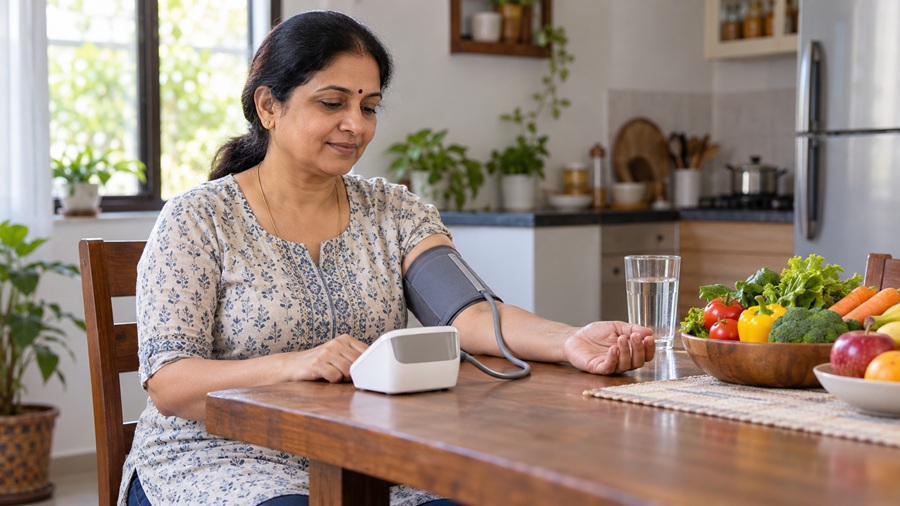
Monitoring your blood pressure at home can help you see how well your lifestyle changes and medication are helping.
Use a validated upper arm blood pressure monitor.
Sit quietly for 5 minutes with your feet on the floor, and your arm should be raised to heart level.
Keep a record of your readings and show them to a health care professional.
Best Foods to Help Lower Blood Pressure
There are certain foods that can help to keep your blood pressure healthy.
Healthy Foods
| Food | Benefits |
|---|---|
| Banana | Provides potassium |
| Leafy Vegetable | Contains potassium and other nutrients |
| Oats | Provides healthy heart fibre |
| Berries | Contains beneficial phytonutrients |
| Beans | Provides fibre and minerals |
| Unsalted Nuts | Provides healthy fats and minerals |
| Low Fat Yoghurt | Provides calcium and protein |
Whilst there isn’t a food that can instantly help lower your blood pressure, having a healthy balanced diet is key.
How to Lower Blood Pressure Fast
If your blood pressure is higher than usual then try sitting down and relaxing.
Avoid caffeine, smoking and exercising for 30 minutes.
Don’t take extra medication unless your healthcare professional tells you to.
If your blood pressure is greater than 180 systolic and/or 120 diastolic then wait for at least a minute and take another reading. If it is still high then you should seek immediate medical help. If you also have chest pain, difficulty breathing, severe headaches, dizziness, vision changes or trouble speaking then call emergency services.
Things to Avoid With High Blood Pressure
Try to limit eating too much salt, smoking, drinking too much alcohol, not being active and eating too many highly processed foods.
Don’t stop taking medication your healthcare professional has prescribed.
Often lifestyle changes and medication are used together to keep your blood pressure healthy.
FAQ
1. How can I lower my blood pressure naturally?
By reducing salt intake, exercising, maintaining a healthy weight, eating healthy foods and ensuring you get enough sleep.
2. How can I lower my blood pressure quickly?
Sitting down and relaxing can help if your blood pressure has temporarily risen. However, if your blood pressure is extremely high then you should seek medical help.
3. Can drinking water lower my blood pressure?
Drinking enough water can help your body function normally. However, it isn’t a reliable treatment.
4. Can walking help lower my blood pressure?
Yes, walking regularly can help improve your heart health and reduce your blood pressure over time.
5. What foods should I avoid?
Foods high in salt including salty snacks, processed meats, instant noodles and highly salted ready meals.
Conclusion
Knowing how to lower your blood pressure can help keep your heart healthy and reduce your risk of serious medical issues.
Simple lifestyle changes like eating healthy foods, being active, eating less salt and getting enough sleep can help to improve your blood pressure. Some people may also need to take medication.
To get the best results try to keep your lifestyle healthy, monitor your blood pressure and follow your healthcare professionals advice.